
The Devoted Life
A full-life path through Scripture, theology, prayer, Christian history, worldview, and mission.
BDL teaching resources · 6 min read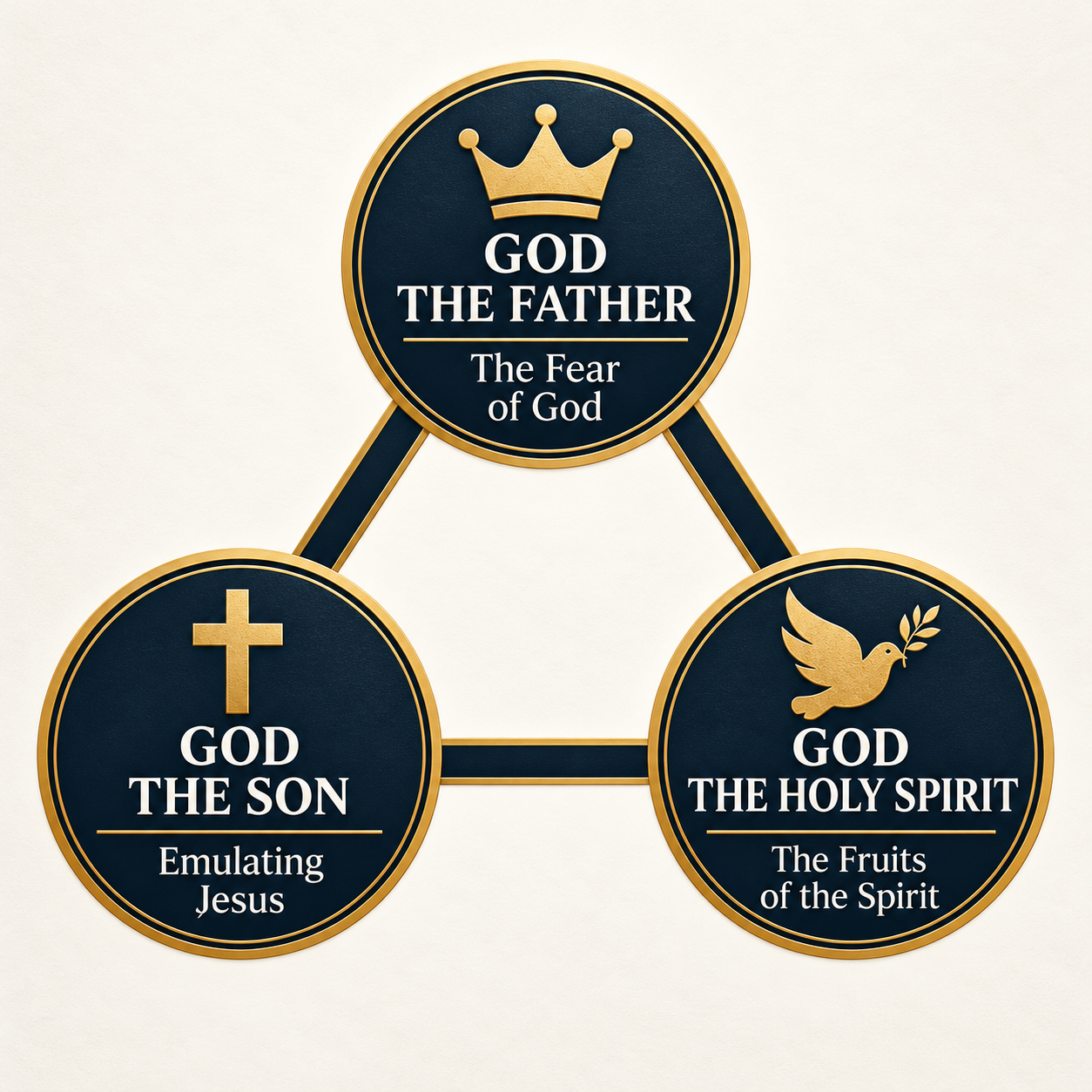
A devoted life begins with the God who first loved us. Through the death and resurrection of Jesus Christ, sinners are welcomed into a new life of worship, trust, and obedience. Discipleship is the lifelong response to that grace: knowing God more deeply and following Him in every part of life.
Read alongside: Romans 12:1–2; John 17:3; 2 Timothy 3:16–17; James 1:22–25; Matthew 28:18–20
Begin with the God of Scripture
We cannot build a faithful life on a God shaped by our preferences. We need to know the Father, Son, and Holy Spirit as God has revealed Himself in Scripture. His holiness teaches us reverence. His goodness gives us confidence. His justice exposes our sin, and His mercy directs us to Christ. Biblical theology helps us see how the whole story of Scripture leads us to Jesus rather than treating the Bible as a collection of unrelated advice.
Scripture is God’s inspired Word, without error in its original manuscripts. Because God speaks truthfully, His Word deserves our attention, trust, and obedience. Daily reading is more than a box to check. Read to know the Lord: notice what a passage reveals about His character, understand its context, and ask how its truth should shape your response. A reading plan can give you a steady path through the whole counsel of God.
Let truth become worship and practice
Knowing facts about God is not the same as walking with Him. Romans 12:1–2 joins worship with the renewal of our minds and the offering of our lives. Bring what you learn into prayer. Confess what the Word exposes, thank God for what it reveals, and ask for the Spirit’s help to obey. A small act of obedience today matters more than a large collection of intentions.
Practice faithfulness in ordinary places. Speak truth when an exaggeration would serve you. Seek forgiveness when pride would keep you silent. Make room for prayer, generosity, rest, and the needs of others. These practices do not purchase God’s love; they express our dependence on the grace already given in Christ.
Grow with the church and learn from its history
Jesus calls people into a body. Commit to a local church where Scripture is taught, believers pray together, and love is expressed in practical service. Receive correction, encourage others, and make room for relationships in which someone can ask how you are actually doing. Spiritual maturity grows through patient faithfulness alongside other believers.
Christian history also reminds us that we are not the first generation to follow Jesus under pressure. Learn from faithful witnesses, while measuring every teacher and tradition by Scripture. Their courage can strengthen ours; their failures can warn us against pride and forgetfulness.
Carry your faith into the whole of life
A biblical worldview helps us bring God’s truth to our work, family, church, and public responsibilities. Ask what Scripture says about human dignity, authority, justice, truthfulness, and service. Resist the habit of setting faith aside when a conversation becomes uncomfortable. We can hold conviction firmly while treating people with patience and respect.
The devoted life also looks outward. Christ’s command is to make disciples, teaching people to obey all that He commanded. Pray for people by name, explain the good news of His death and resurrection, and invite others to follow Him with you. We grow in devotion so that God is glorified and our neighbors encounter His love.
Read a passage of Scripture each day this week. Write down one truth about God, turn it into a prayer, and choose one concrete way to obey. Share what you are learning with someone in your church.
Questions for reflection
- Where have I separated what I believe from how I live?
- What daily rhythm would help me know God more faithfully?
- Who could I encourage or invite to follow Jesus this week?